 TAKE THEM SOUTH
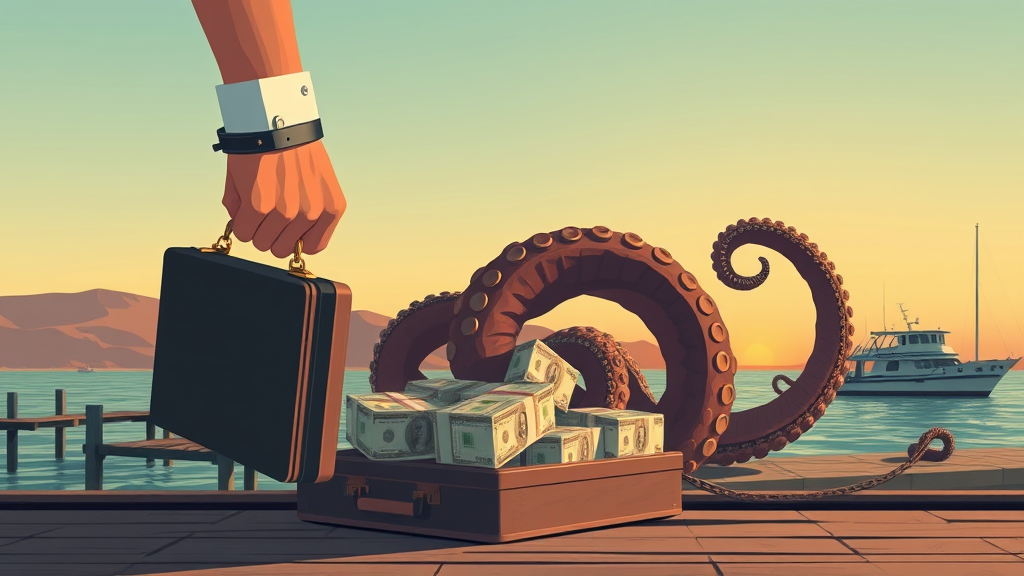
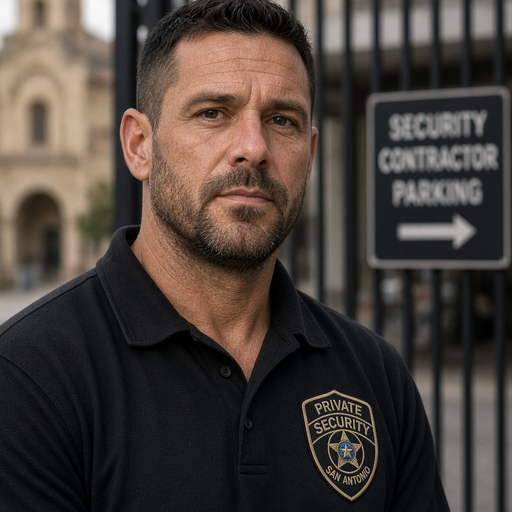
Another one off the board. US agents arrested an alleged Guatemalan cartel boss known as 'The Kraken' in San Diego this week, closing out a takedown that carried a £15 million reward offer, the Daily Star reports.
When the United States puts an eight-figure bounty on a man's head, he's no small-time dealer. He's the kind of target who moves tonnage, pays whole police departments, and thinks he's untouchable because he's been untouchable for years. Those days just ended in San Diego.
The nickname tells you the rest. Nobody in this world earns a handle like 'The Kraken' by running nickel bags. He earned it the way these guys always do, by wrapping tentacles around everything: the supply chain from Guatemala, the corruption that protects it, the routes that push product north. Guatemalan cartels have spent the last decade muscling into territory the Mexican organizations used to own, and the bosses at the top of those groups don't sit in the shadows. They sit in comfort, until a knock comes.
This knock came in San Diego. That detail matters. The man allegedly running a Guatemalan trafficking empire was living on American soil, or at least moving through it, which tells you two things. First, these kingpins treat our border like a revolving door for themselves while their product bleeds our communities dry. Second, and more satisfying, our agents can reach them. Distance doesn't protect these guys anymore. Neither does a nickname.
The £15 million in rewards attached to this crackdown is the other half of the story. That kind of money does what no task force can do alone: it turns the people around a kingpin into informants. The associate who counts the money, the driver who knows the safe houses, the cousin who set up the phones, every one of them just did the math on loyalty versus a life-changing payout. Cartels run on silence, and rewards buy silence at a discount. There's always someone in the organization who was waiting for exactly this offer.
I've watched this pattern for years, and it never fails. Pressure at the top breaks these groups faster than pressure at the bottom. Arrest a runner and the cartel replaces him by Friday. Arrest the boss and the whole structure starts eating itself, because succession in organized crime is settled with violence, not memos. Half the time the feds don't even need to roll up the entire organization. They take the head off and let the body fight itself.
Guatemala matters here for another reason. That country has become a genuine trafficking hub, a corridor where cocaine from South America gets staged, warehoused, and shipped north. The organizations running that corridor poison American streets, and they hollow out Guatemalan institutions along the way, buying judges, cops, and politicians the way the rest of us buy groceries. Every boss we take down in cooperation with Guatemalan authorities weakens that machine on both ends.
So score one for the agents who did the quiet work: the surveillance, the intel, the coordination across borders that never makes the evening news. The arrest now moves to prosecution, and that's where we find out if the case was built the way these cases need to be built, airtight. If the feds did their job, 'The Kraken' finishes his career in an American courtroom and then an American cell.
A man who built an empire on poison is now a man in handcuffs, and somebody in his orbit is about to get very rich for making a phone call. That's how you dismantle a cartel. One boss, one bounty, one betrayal at a time.
Comments (0)
Log in or sign up to join the conversation.
No comments yet. Be the first.