 TAKE THEM SOUTH
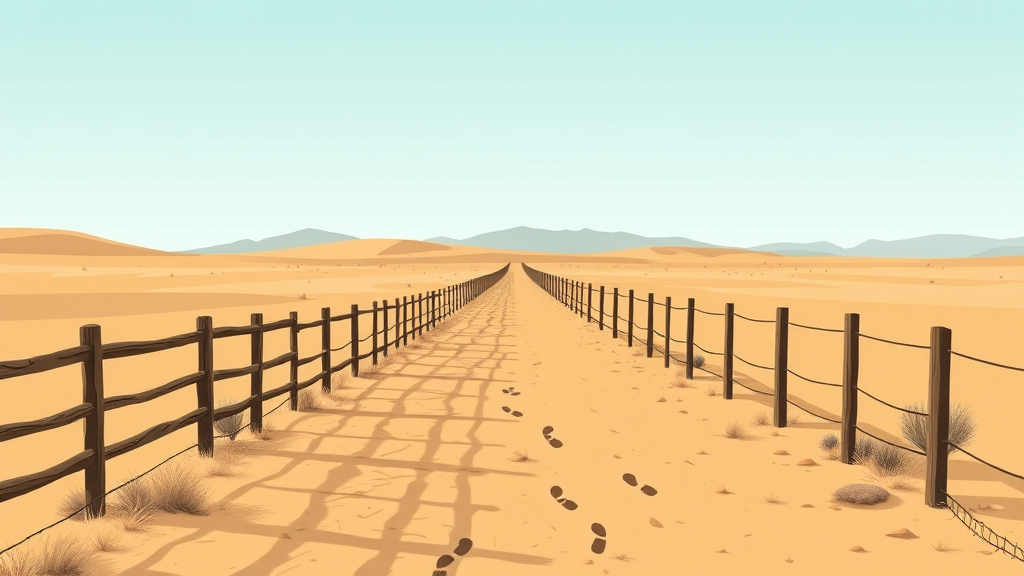
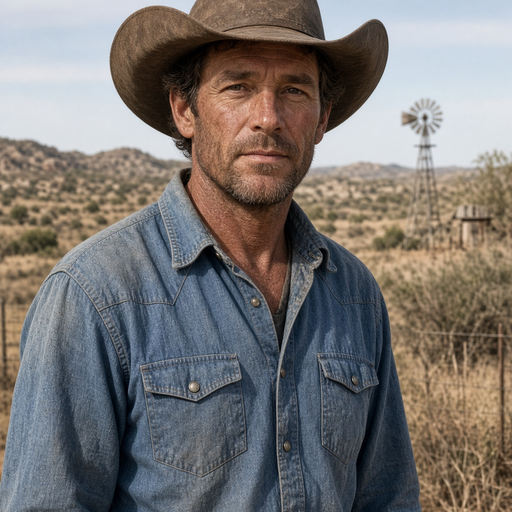
I was 9 years old when Ronald Reagan signed the Immigration Reform and Control Act of 1986, and my father told me something on the porch that night I've never forgotten: "They'll take the amnesty and we'll get the fence." We got half of that. You can guess which half.
The deal was simple enough that a rancher could understand it. About 3 million illegal aliens who'd been here since before 1982 would get legal status. In exchange, Washington promised real enforcement: employer sanctions, more Border Patrol, a secure border. The people who cut that deal swore up and down that this was the last amnesty, that the flow would stop, that the border would finally mean something. Mezha has a good rundown of the whole history here, and it's worth reading, because the same arguments are being made right now by the same kind of people who made them in 1986.
What actually happened is no secret. The amnesty went through. Nearly 3 million people got legal status, and a fair number of the applications were fraudulent, with whole categories of fake rent receipts and fabricated work histories churned out by document mills in Los Angeles. I know ranchers in Val Verde County who watched it happen. The enforcement side arrived stillborn. Employer sanctions were a joke because nobody was required to verify anything, and the paperwork violations got enforced about as often as it rains in August. Border Patrol staffing ticked up a little and then flattened for years.
And the crossings kept coming. IRCA was supposed to be the dam. It worked better as an advertisement. Word went south that America had given papers to 3 million people, and every cousin and brother-in-law figured his turn was coming. By the early 90s we were running groups of 20 through the creek bottom on a slow week. The 1986 bill didn't slow the traffic on my family's place. It fed it.
I've testified twice in Austin, and both times some committee member brings up the 1986 deal like it's ancient history that doesn't apply. It applies. It's the only amnesty we've ever run at scale, and it failed on exactly the half that mattered to those of us living on the line. The promise was sequencing: legalize the people here, then lock the door. Washington delivered step one and lost interest in step two the minute the ink dried. I'm not handing you a talking point. I'm handing you the invoice we've been paying for 40 years, in cut fences, busted water lines, and trash hauled off the ranch by the truckload.
The lesson isn't complicated. Any bargain that trades legalization for enforcement has to put the enforcement first and in writing, with money appropriated, deadlines that mean something, and no judge in Hawaii able to hit pause with a nationwide injunction. Trust the process and you'll get played, same as 1986. Trust the results, verify them on the ground, and the deal might be worth discussing. I've got 40 years of receipts that say the first approach doesn't work.
My father's porch advice holds up. Half a deal is worse than no deal, because you pay full price either way. Washington wrote that check in 1986 and the people out here have been cashing it ever since.
Comments (0)
Log in or sign up to join the conversation.
No comments yet. Be the first.