 TAKE THEM SOUTH
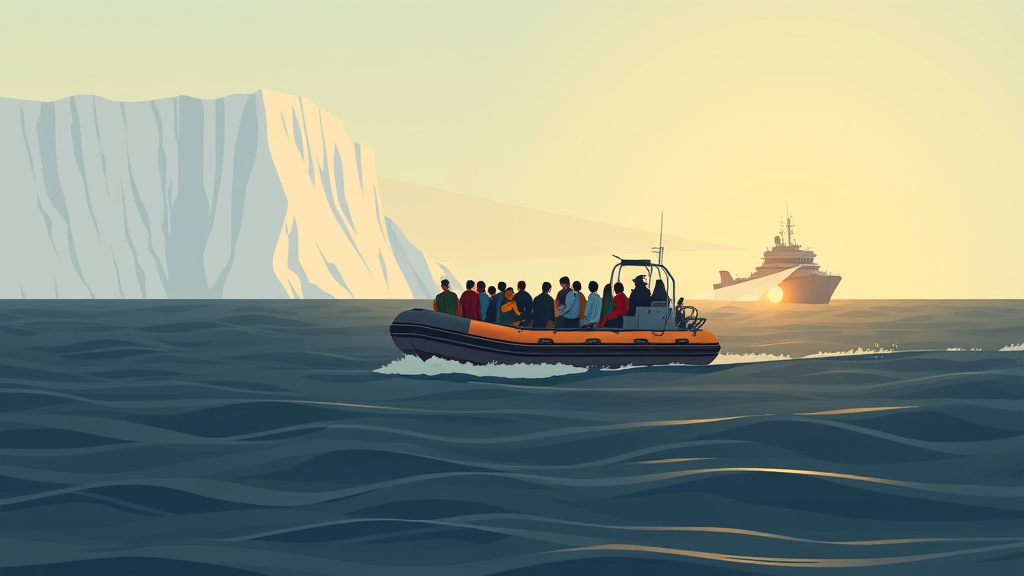

The gangs moving migrants across the English Channel have a new trick, and it tells you everything about how this business actually works. According to a report from AOL, smugglers are now using what officials are calling an "unusual" route to land boats on UK soil, all to stay away from patrol vessels working the Channel.
Let me translate "unusual route" into plain English. The enforcement pressure is working well enough that the old playbooks are getting tossed. When patrol boats and surveillance make the standard run from northern France too risky, the smugglers don't quit. They adapt. They move the launch points, they change the timing, they find a gap in coverage and they charge for it.
I've watched this pattern my whole career, just on a different river. Cartels and smuggling networks are businesses, period. Revenue targets, overhead, competition. And like any business facing a crackdown, their first move is to route around it. The moment they stop adapting is the moment they're finished, which is why a story like this amounts to a backhanded compliment to the patrol crews.
What should bother everyone reading this is the human cost of every adaptation, and the migrants paying these gangs absorb it. Longer routes mean more time in overloaded, unseaworthy boats. Riskier launches mean more drownings. The smugglers don't care because the payment clears before the boat leaves the beach. If the vessel sinks halfway across, that's a customer service problem as far as they're concerned, not a moral one.
The Channel has been one of the deadliest stretches of water in this whole migration crisis for exactly this reason. Thousands of people have crossed in inflatable dinghies that no coast guard would ever certify, packed so tight that a single wave can put half the boat in the water. When the smugglers shift to a longer, stranger route to dodge patrols, the crossing gets more dangerous, and the gangs know it. They price it in.
The other thing this story confirms is that enforcement pressure is the only language these networks understand. You cannot negotiate with a smuggling syndicate. You cannot shame them. You make their routes unprofitable and their operators arrested, and you keep doing it until the next route opens, and then you close that one too. It's a grinding game of whack-a-mole, and the side that gets tired first loses.
The UK side has the same fight on its hands we have on the Rio Grande. The names of the rivers change, the business model doesn't. Somebody moves a product, somebody pays, and the only thing that ever broke a smuggling route was enforcement that refused to blink.
So when you read that gangs are trying a "bizarre" new route to slip past patrol boats, read it the way I do. The pressure is landing. The old routes are burning. Now the job is to close the new one before the smugglers' customers pay for it with their lives at sea.
Comments (0)
Log in or sign up to join the conversation.
No comments yet. Be the first.