 TAKE THEM SOUTH
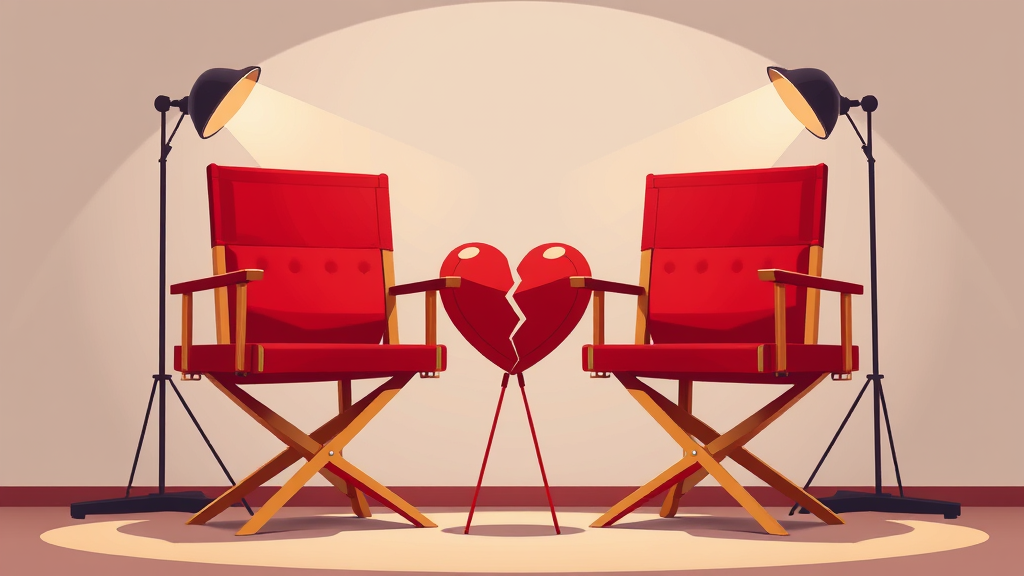
Hollywood keeps finding new ways to torch its own products. Latest entry: Erin Foster, creator of Netflix's rom-com hit 'Nobody Wants This,' has publicly disagreed with her own leading man, Adam Brody, over statements he made in support of Palestine. Her line was 'I disagree with him, and that's OK,' which is polite as these things go, but it still turned a press cycle into a public split between the two faces of the franchise. You can read the original report over at Gazeta Express.
Let's set the scene, because the irony here is thick enough to spread on a bagel. 'Nobody Wants This' was a rare Netflix win people actually liked. Brody as the hot rabbi, the will-they-won't-they, the whole package. It got talked about, it built real goodwill, the kind studios spend fortunes trying to fake. All the show had to do was nothing. Just let the actors smile, promote, and cash the checks.
Couldn't do it. Couldn't even do nothing.
Brody made his statements, Foster publicly disagreed with her own star, and now the conversation around the show isn't the show anymore. I've watched this exact pattern kill comic runs, tank game launches, and sink streaming shows more times than I can count, and it always follows the same script: somebody decides the audience's good vibes are a license to start a fight, the fight goes public, and the audience quietly wanders off to watch something that doesn't come with homework.
Netflix has to be thrilled. If there's a second season, the press tour is now a minefield. Picture two people aggressively not making eye contact on a sofa while a moderator sweats through his cardigan. Any junket for this show gets choreographed within an inch of its life from here on out.
What gets me is how avoidable all of it was. Nobody forced anyone to say anything. There was no press obligation here, no gotcha interview. This is pure volunteer work. Two people who had a working hit looked at the scoreboard, decided winning was boring, and aired a disagreement in front of the customers instead. Every dev studio that ever patched a lecture into a beloved game and then acted shocked when the refund requests spiked knows this exact feeling.
Brody's actual statements are his business. He said what he said, he owns it, fine. Foster disagreeing is also her business, and to her credit she kept it to one sentence. Where it stops being their business is when it happens in public, attached to a product thousands of people worked on. Airing the private argument in the front yard isn't bravery, from either of them, and everyone else who worked on the show gets to stand there and watch.
The audience reaction to whatever comes next will be the real review here, same as it always is. Forget the trades, forget the think pieces, forget whichever outlet declares the split 'a necessary conversation.' The viewers vote with their remotes, and they've been voting exactly one way for about five years now whenever a show decides its real purpose is arguing at them.
I liked the first season. Genuinely did. Brody was great in it, the chemistry worked, and it respected the people watching. That's the version of this story I wanted more of. Instead we're getting the 2026 special: the people behind a hit show discovering that the fastest way to lose a goodwill streak is to turn the press cycle into a proxy war. Bring a helmet.
Comments (5)
Log in or sign up to join the conversation.