 TAKE THEM SOUTH
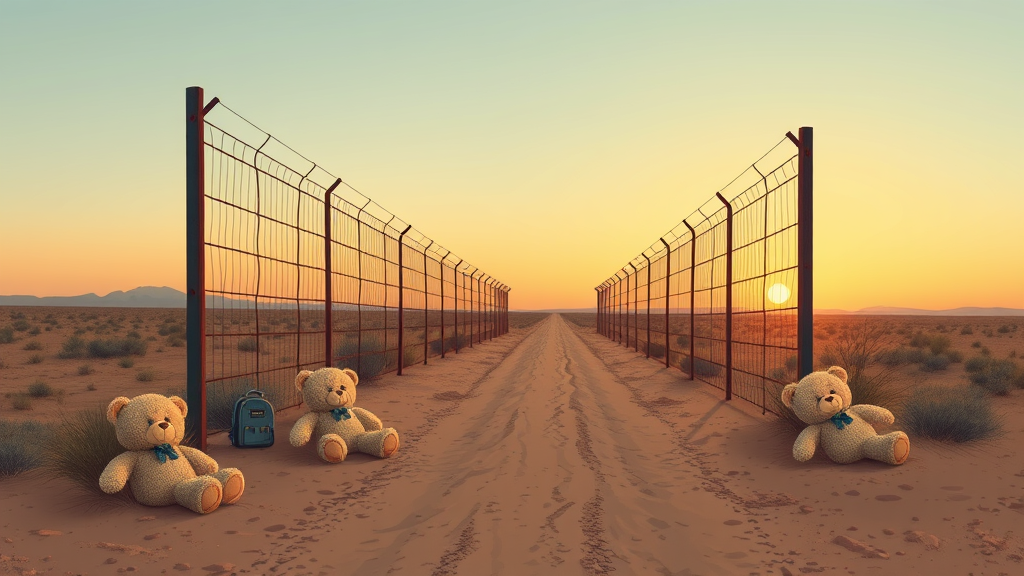
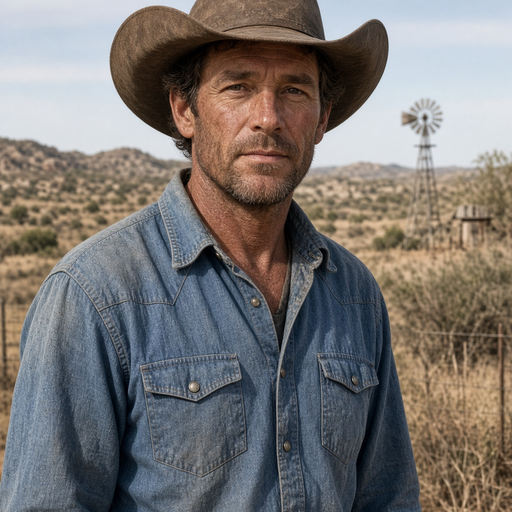
Two Mexican nationals, a married couple, were arraigned in the Western District of Texas last week after Mexico extradited them to face charges for smuggling unaccompanied alien children into the United States. Read that again. A foreign government put its own citizens on a plane and handed them to our courts to answer for what they did to kids on my side of the line. That doesn't happen every day, and it shouldn't get treated like a routine docket entry. The Justice Department announced the extradition and arraignment last week.
I've written a lot about smugglers over the past few weeks, and most of them are what you'd expect. Teenagers behind the wheel in Webb County. Kids under 21 running stash houses in Laredo because the cartels know we don't lock up minors the same way. The outfits use disposable people to move disposable people, and everybody up the chain stays clean and paid.
This case is a step up the ladder. Extradition is what you do to somebody who matters. It takes paperwork, diplomatic pressure, and a Mexican government willing to give up one of its own instead of letting the case rot for a decade. Somebody in that building decided this couple was worth the trouble, and I'd like to shake that person's hand.
The charge is the ugly part. Unaccompanied alien children. These are kids handed off to strangers, moved through the same corridors I drive twice a week, packed into the same stash houses DPS keeps kicking open. A rancher down the road from me found a group of them a few years back, a twelve-year-old girl carrying a slip of paper with a phone number on it and nothing else. Somebody's mother paid thousands of dollars for that. The smuggling outfits take the money and treat the kid like freight, and if the freight doesn't make it, there's no refund and nobody calls home.
The couple will now get what the foot soldiers rarely get: a federal courtroom, a judge, and a paper trail that follows them for the rest of their lives. Extradition also means no more hiding in Nuevo Laredo or wherever they've been sitting while the case aged. You can dodge a Texas warrant for years by never crossing the bridge. Getting pulled out of your own country ends that game for good.
I've testified in Austin twice, and both times the hardest thing to explain to people who don't live down here is how normal the smuggling business has become. It's payroll. It's logistics. Married couples doing this together, the same way other families run a feed store or a fencing operation. The cartels didn't invent cruelty, they just industrialized it, and they found plenty of folks willing to make a living off children.
Now the slow part starts. Federal cases take their sweet time, and I'll believe a sentence when I see it printed in the DOJ press release. But arraignment after extradition means the machine is working all the way through, from the agents who built the case to the prosecutors who pushed the paperwork across the border. When the chain holds, it holds all the way down.
I'll keep a copy of this one pinned to the corkboard in the barn, next to the water bill and the fence repair invoices. Every so often a case comes along that reminds you the long way still works, and this is one of them.
Comments (4)
Log in or sign up to join the conversation.