 TAKE THEM SOUTH
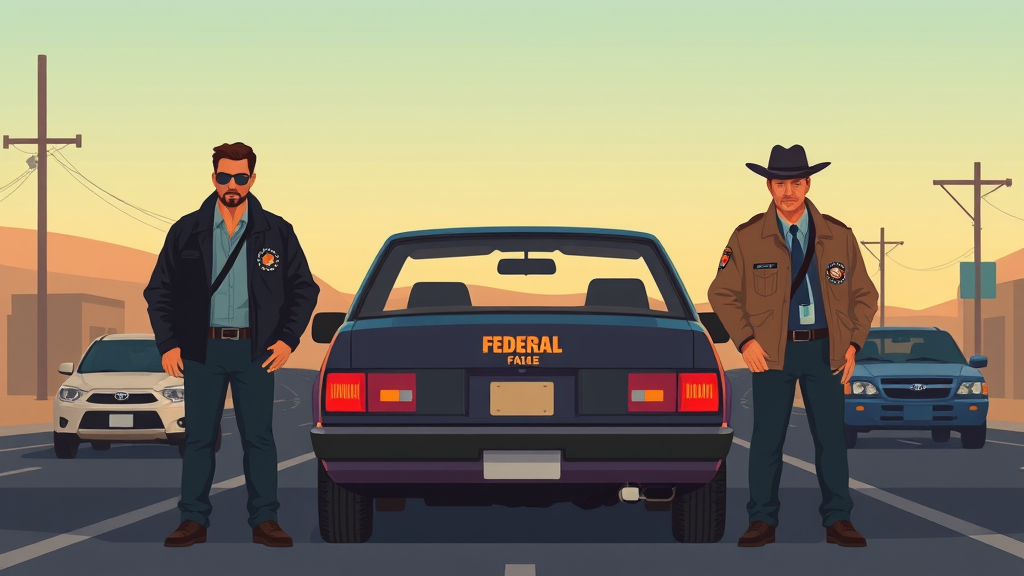
Federal immigration officials are standing behind the agents who shot and wounded a New York City man during an enforcement operation, and they aren't apologizing for any of it. The man was hit while sitting in his car, and yes, there was a young child in the back seat. The officials' answer: blame the guy who brought a weapon to a federal encounter, not the agents doing their jobs.
According to Reuters, the incident unfolded during an ICE operation in New York City, where agents confronted the man in his vehicle. Shots were fired, the man was wounded, and the child in the car was unharmed. Officials said the agents acted within policy when faced with a threat.
I've stood at enough checkpoints to know how fast a car stop goes sideways. A subject in a vehicle, a weapon in play, a fraction of a second to decide. Officers don't get to replay the tape in slow motion before they act. The people criticizing from their couches get that luxury. The agents didn't.
The child in the back seat is the part everyone will scream about, and fair enough, a kid in that car deserved better. He deserved better from the adult who put him there, sitting in a car during a confrontation with federal agents while armed. If you're carrying a child and you're carrying a weapon and you're in the country illegally, every bad outcome in that scenario starts with the choice you made, not with the badge.
Officials also went after so-called sanctuary policies, arguing that local rules limiting cooperation with federal immigration enforcement create exactly these kinds of dangerous street encounters. Their argument is simple: when jails won't hand over criminal aliens on a detainer, agents have to go find them out in the world, in cars, in neighborhoods, in situations where things can go wrong fast.
They're right, and the numbers have backed this up for years. A controlled custody transfer inside a county jail is the safest possible way to remove someone. A street operation at a gas station or a parking lot is the most dangerous. Every jurisdiction that refuses the first option is choosing the second, whether they'll admit it or not.
The wounded man's condition hasn't been fully laid out beyond the initial reports, and the shooting will get the standard review, as it should. Every officer-involved shooting deserves a hard look. That's not weakness, that's how you keep good agencies good. But there's a difference between a review that looks for facts and a pressure campaign that decides the outcome before the first witness is interviewed. Watch which one this becomes.
New York City will do what New York City does. There will be vigils, there will be press conferences, there will be activists who couldn't care less that the child walked away without a scratch thanks to the restraint of everyone involved except one man. Meanwhile the agents will be back out there tomorrow, doing the job nobody else in that city seems willing to do.
A man with a gun in a car with a kid got shot by federal agents and the kid is fine. The officials didn't flinch, didn't hedge, and didn't throw their own people under the bus. After years of agencies whose first move was apologizing, that's a change worth noticing.
Comments (4)
Log in or sign up to join the conversation.