 TAKE THEM SOUTH
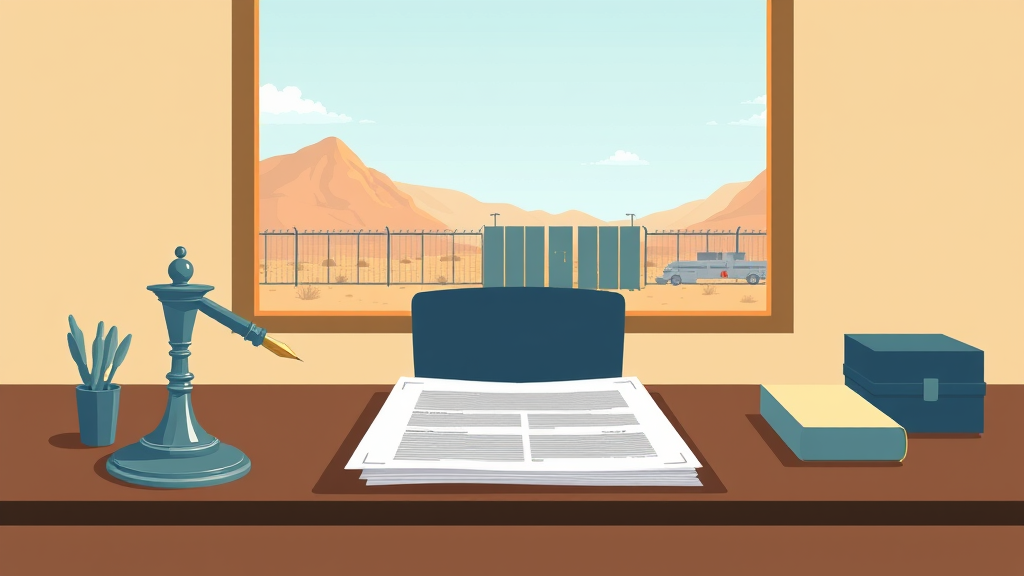
For four years we were told enforcement was impossible. Can't deport them all. Can't build the wall. Can't end catch and release. The system just won't allow it, they said. Then a president sat down with a pen on day one and started signing, and the excuses evaporated in an afternoon. MSN has the story, and it's worth reading twice, because it confirms something those of us who wore the uniform already knew.
The border was never unfixable. It was unmanaged.
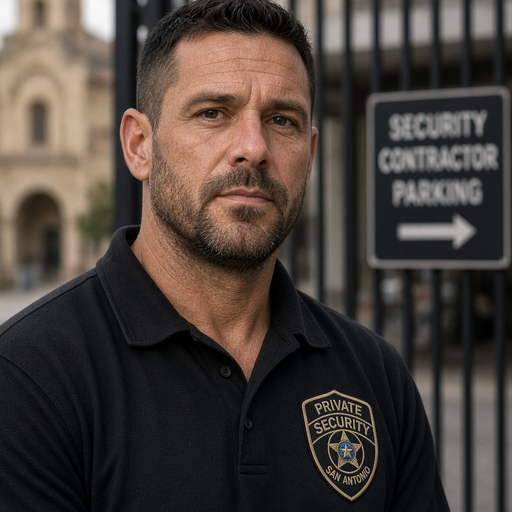
I spent twelve years in Army military police, two of them deployed, and I've stood at more checkpoints than I can count. I ran checkpoints at 3 a.m. in environments far less resourced than ours, and stuff still got stopped. So when someone tells me the most powerful nation on earth can't control who walks across a line in the sand, I hear a man telling me his dog ate his homework.
Day-one executive actions did what four years of hand-wringing supposedly couldn't. The cartels ordered designated as foreign terrorist organizations. Wall construction directed to restart. Catch and release ended. Remain in Mexico reinforced. Expedited removal restated. Every one of those levers existed the whole time. They sat in a desk drawer while mayors, activists, and cable news panels insisted the machinery simply didn't exist.
Let's kill the laziest argument first: 'we can't possibly deport them all.' The open-borders crowd has leaned on this line for decades, and it fails every time it runs into actual American history. Back in 1954, the Eisenhower administration ran a mass removal operation along the southern border with a fraction of the personnel and technology CBP has today. Historians still argue about the exact head count, but nobody argues about the point: the federal government decided to enforce, and enforcement happened, with helicopters that barely flew and paper records kept in filing cabinets. We now have biometric databases, license plate readers, and facial recognition at ports of entry. Spare me the sob story about how it can't be done.
The claim was never about capability. It was about will. Every mayor who signed a sanctuary ordinance, every sheriff who stopped honoring ICE detainers, every pundit who said the laws were too complicated, made a choice. They chose non-enforcement and dressed it up as fate. That's what makes this so satisfying to watch. The paperwork was always there. Somebody just had to pick up the pen.
And let's be clear about what the 'hands are tied' crowd was really arguing. They weren't saying the tools didn't work. They were saying they didn't want the tools used. When a city releases an illegal alien with a criminal record instead of handing him to ICE, that's not a system failure. That's a policy. Own it. They never owned it, because 'we choose to release criminals' polls worse than 'our hands are tied.' So we got the lie.
Deterrence works. I watched it work at my own checkpoints, and the logic doesn't change at the Rio Grande: when you signal that the border is closed, crossings drop, because the smugglers, those entrepreneurial monsters charging five figures a head, can't sell a product that doesn't deliver. The only people who claim otherwise are people who've never had to enforce anything in their lives.
Twelve years of watching policy from the enforcement side taught me one thing: the gap between 'impossible' and 'done' is usually one signature wide. We just watched that gap close on day one.
The hands were never tied. They just didn't want to use them.
Comments (2)
Log in or sign up to join the conversation.