 TAKE THEM SOUTH
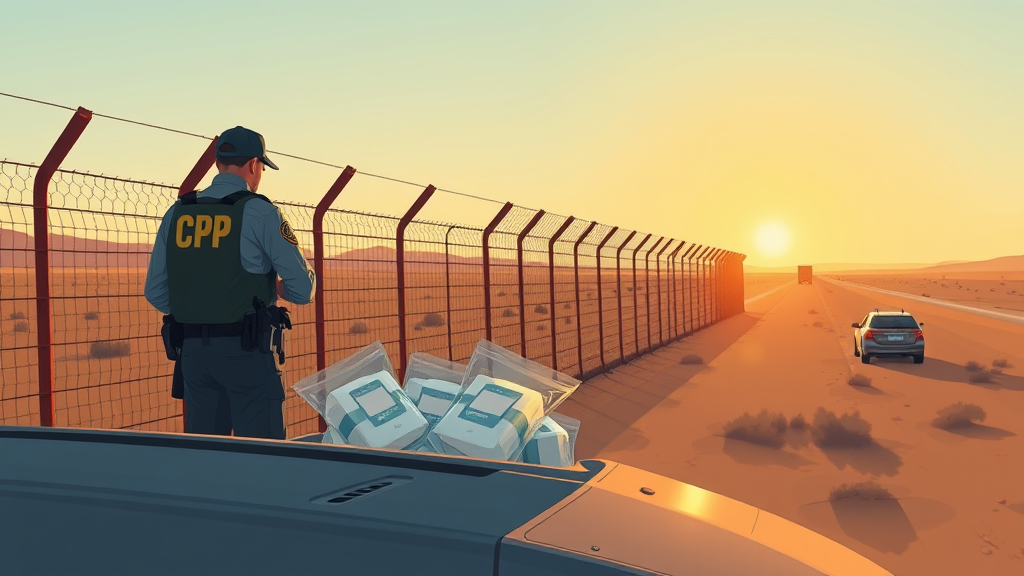

There's a combination the open-borders crowd told us was impossible: fewer bodies crossing, more drugs caught. CBP officials in the El Paso area say drug seizures are up 2 to 3 times over last year while illegal crossings in the sector have fallen, and that's exactly what you should expect when agents stop playing babysitter for half the hemisphere and get back to working the line. MSN has the report.
How does this work in practice? When thousands of people a day are flooding a sector, every available agent is out processing, transporting, and running hospital trips. That's crowd management, and my read has always been that the cartels understood the math. Overwhelm the sectors with people, and enforcement attention stretches thin everywhere else. CBP's own data points the other direction on where the drugs physically move, with most narcotics coming through the official ports of entry. Fine. The point still stands. When the ports are drowning in humanitarian processing, the inspection lanes thin out too, and the loads get through with less scrutiny.
That playbook is losing in El Paso right now, by CBP's own account. According to El Paso Field Operations Director Ray Provencio, crossings fell as the sector got more agents, more barriers, and better technology, while narcotics seizures climbed to two and three times last year's numbers. The same criminals who had it easy are now running into inspection teams that have time to look past the first layer of a load.
The skeptics will say seizures going up means more drugs are coming, not less. I've heard that argument for twenty years and it's always backwards. A seizure is a failure for the cartel. Every pound confiscated is a pound that cost them money, product, and a courier who's now facing federal time. Cartels don't ship product to get it confiscated. They ship it because they think it will get through, and in El Paso, by CBP's telling, that bet is losing more often.
The El Paso sector matters more than most people realize. It sits on one of the busiest drug corridors in the country, with Juarez directly across the river. Everything that comes through there is headed to American cities, American schools, American kids. When seizures climb in that sector, it means poison that would have killed Americans got stopped at the line instead.
Give credit where it's due. The agents working El Paso are doing it with the drug threat still very much alive. Fentanyl doesn't respect press releases. The cartels adapt, they switch routes, they hide loads in produce shipments and fuel tanks and tractor trailers, and they will keep trying. This is a grinding fight, and the men and women in green and blue fight it every single shift.
The scoreboard says something right now, and I'll say it plainly. Illegal crossings down, drug seizures up, agents back on the line doing the job they signed up for. That's what a functioning border looks like. Anyone who tells you we had to choose between humanitarian processing and drug enforcement never stood at a checkpoint at 3 a.m. watching a K-9 hit on a trunk. You do both, when you're allowed to. El Paso is proving it.
Comments (14)
Log in or sign up to join the conversation.