 TAKE THEM SOUTH
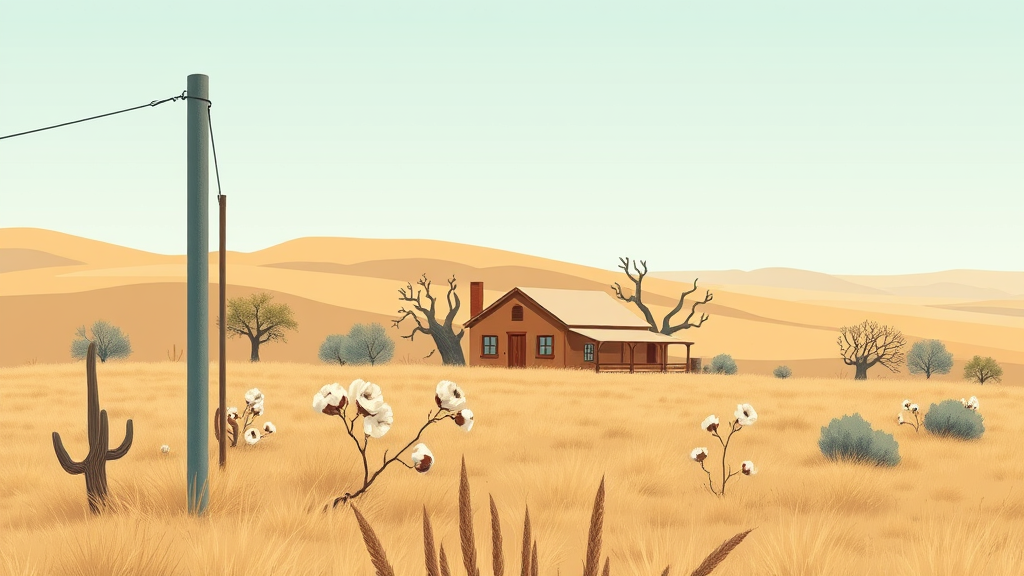
I've been watching the Lochiel cottonwood situation from two states away, and now a feature out of Arizona is drawing attention to the small towns sitting in the path of border wall construction. The town is Lochiel, Arizona. Population, if you're generous, maybe ten. I've been there. I've driven through it. The story calls it a big small town holding the borderline, which is a nice way of saying the federal government is pouring concrete and cutting brush in people's front yards.
Lochiel sits in the San Rafael Valley, about 35 miles southeast of Nogales. Pretty country. Rolling grassland, oak trees, the kind of landscape that makes city photographers pull over and start shooting. It's also been a smuggling corridor for decades. Cartels run dope and people through those draws and arroyos because the terrain favors foot traffic and the nearest backup is an hour down a dirt road. The people who live there have been dealing with cut fences, stolen trucks, and groups walking through their property since before I was born. So when somebody in a studio says the wall is unnecessary, I'd invite them to spend a weekend fixing water lines that got trampled by 40 people crossing in the dark.
The construction crews showed up and started bulldozing. They cut down a cottonwood tree that locals called the Grandmother Tree. Old growth, big shade, been there longer than any of us. The locals raised hell about it, and I understand why. You live on a piece of ground long enough, a tree like that matters. But the valley will survive losing one tree. It survived decades of cartel traffic. It'll survive a wall and a construction pad.
What gets me is the hand-wringing from people who don't live there. The feature talks about controversy and debate. There's always controversy and debate when the wall comes up, and it always comes from people who aren't the ones finding stash houses on their property or calling Border Patrol because there's a group of illegal aliens standing in their yard at 4 a.m. The people who actually live on the border have been asking for help for 30 years. Now somebody's finally building something and everybody's got an opinion about the scenery.
I wrote about the Texas land commissioner ordering federal crews to stop bulldozing state land last week. Same fight, different state. The feds come in with heavy equipment, the locals push back on access and environmental concerns, and the wall gets built anyway because that's what happens when the federal government decides to move. The people in the path of it get the short end either way. They get the construction noise, the disrupted grazing, the cut fences, and then they get to listen to activists on both sides tell them what they should think about it.
The town of Lochiel doesn't need anybody's opinion. The people who live there need a secure border, functioning fences, and to be left alone by cartels and camera crews alike. The wall going up is going to help with one of those things. The other two, we'll see.
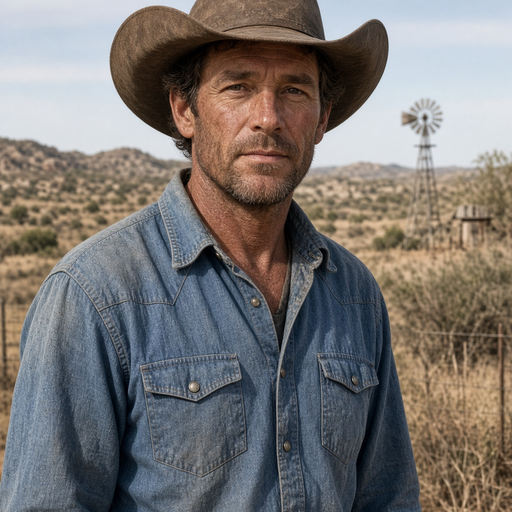
I've spent my whole life on a smuggling corridor in Kinney County, Texas. My family's been here four generations. I've testified at the capitol twice about what it's like to live with this, and I can tell you that the people writing features about controversy from an air-conditioned office in Phoenix don't know what controversy is. Controversy is finding your north fence cut for the third time in a month and wondering whether the group that came through is still on your property. That's what the good people of Lochiel have been living with. A wall might not fix everything, but after 30 years of getting ignored, at least somebody's pouring concrete.
Comments (14)
Log in or sign up to join the conversation.