 TAKE THEM SOUTH
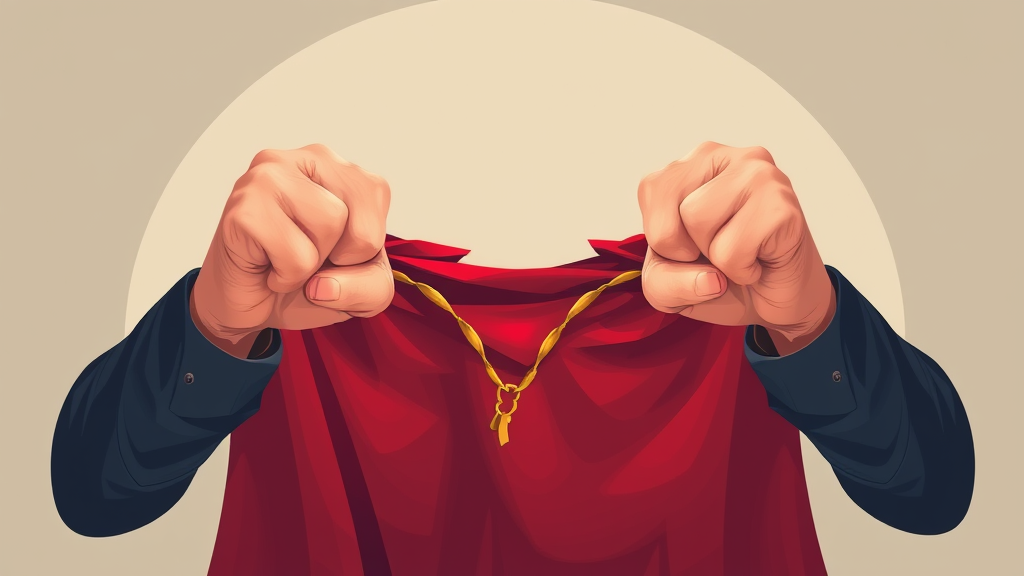

DC Comics has announced a new diversity push, and if you've been awake for any of the last ten years of pop culture, you can write the rest of this story yourself. But I'll write it anyway, because somebody ought to.
Newsweek reported this week that DC's latest initiative aims to bring more diverse characters and creators into its publishing line. Some fans are praising the effort. Others are rolling their eyes so hard they can see their own brain stems. And DC executives are sitting in Burbank wondering why nobody's buying floppy comics anymore.
I grew up on comic books the same way I grew up on Saturday matinees, which is to say they were cheap, they were everywhere, and nobody in charge was trying to improve me. You bought a Batman comic at the Rex Theater newsstand for thirty-five cents and you read it on the porch and the world made sense for twenty minutes. The good guys won. The villains had interesting faces. Nobody lectured you about anything.
The problem with every diversity push in modern entertainment was never the diversity itself. Nobody minded when Denny O'Neil and Neal Adams put Green Lantern and Green Arrow in a truck together in 1970 and sent them across America tackling racism, pollution, and poverty. That run is legendary. You know why? Because O'Neil was a hell of a writer and Adams was a genius with a pencil, and they told stories first. The politics came out of the characters. The message was baked into the adventure so you didn't choke on it.
What DC is doing now, I'd bet good money, follows the pattern we've all seen a hundred times. A mandate comes down from a corporate office. Writers who would rather be telling a good story get handed a checklist. Characters get introduced to satisfy a spreadsheet, not because a creator had a burning idea that wouldn't leave them alone. The dialogue sounds like a sensitivity seminar translated into capes. And then the sales tank and everybody in the boardroom looks confused.
What gets me is that DC already has one of the deepest benches of diverse characters in all of comics. John Stewart as Green Lantern since 1971. Vixen since 1981. Static since 1993. Cyborg since 1980. Mister Terrific, Batwing, Katana, Blue Beetle, half the Justice League roster at any given moment. These characters exist. They have fan bases. They have great stories already told and great stories left to tell. But instead of pushing those characters to the front with top-tier creative teams and real marketing muscle, DC will almost certainly create someone new, give them a legacy hero's name, and act surprised when readers ask why they can't just read a good Batman comic.
Marvel has the same disease. Both companies keep treating their existing diverse characters like embarrassing relatives at Thanksgiving while pouring millions into new characters nobody asked for, designed by committee to hit demographic targets. Then they blame the audience when the books don't sell.
The fans fighting about this online are missing the real argument. The question was never whether comics should reflect the world we live in. Comics always have, when the people making them were any good. The question is whether the people running these companies know the difference between telling a story and delivering a sermon. Based on the last decade of sales figures, the audience has already answered that one.
Put a great writer on a John Stewart series. Give Batwing a real shot with a top art team. Let someone with actual talent tell a Static series that crackles the way Milestone's original run did in the nineties. Do that and the diversity takes care of itself, because the stories are worth reading.
But that would require trusting the audience. And trusting the audience is the one thing modern entertainment simply cannot bring itself to do.
Comments (9)
Log in or sign up to join the conversation.